 ultimate-guide
What Makes High Quality Pizza: A 2026 Guide
Table of Contents
- The Core Elements That Define High Quality Pizza
- Best Pizza Dough Fermentation Techniques for Flavor and Texture
- How to Choose High Quality Mozzarella for Your Pizza
- The Role of Authentic Thin Crust in Pizza Quality
- Sauce, Flour, and Equipment: What Separates Good Pizza from Great
- Troubleshooting Common Home-Baking Failures
- Frequently Asked Questions
Last Updated: October 2, 2026
The Core Elements That Define High Quality Pizza
High quality pizza is the result of four variables working together: dough fermentation, ingredient quality, heat management, and moisture control. Get three right and the fourth will expose itself in the first bite. At Famous Pizza, we've spent over 20 years learning that lesson one pie at a time.
The single biggest mistake home cooks make is chasing one "magic" ingredient.
Why Ingredient Balance Matters More Than Any Single Component
Balance beats pedigree every time. A pizza with too much sauce and too little cheese steams instead of bakes. One with excellent mozzarella but bland sauce tastes flat no matter how good the crust is.
Best Pizza Dough Fermentation Techniques for Flavor and Texture
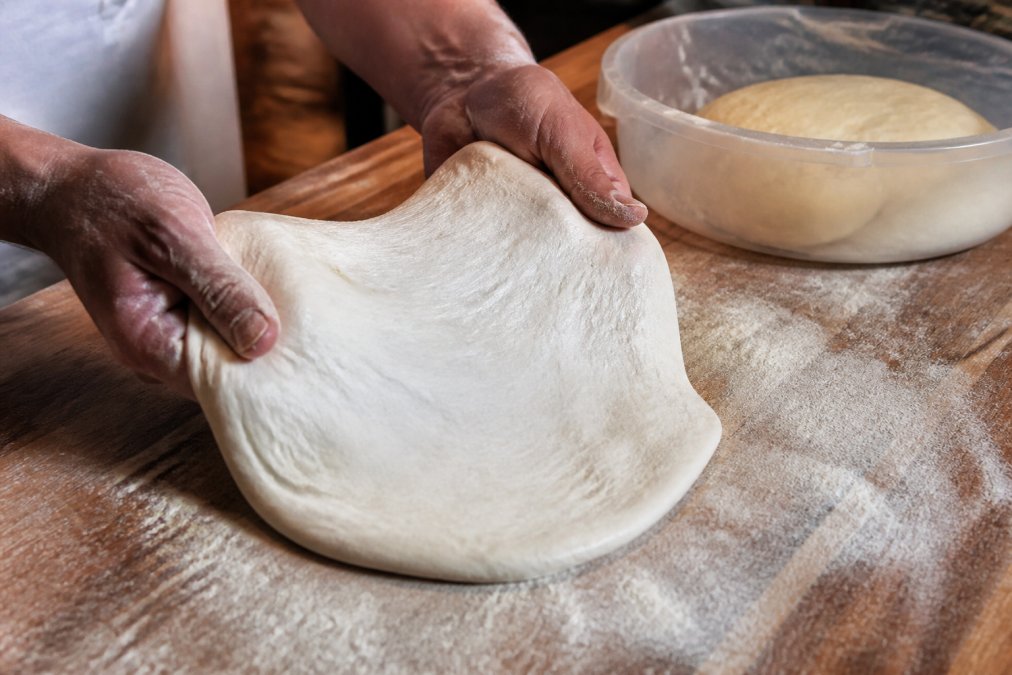
Cold fermentation is the single highest-return change a home baker can make. A dough ball rested in the refrigerator for 24 to 72 hours develops deeper flavor and a more extensible gluten structure than a same-day batch, and it costs nothing but patience.
What Actually Happens During a Cold Ferment
Fermentation is not one process, it is two running at different speeds. Yeast consumes sugars and produces carbon dioxide, which is what makes dough rise. At the same time, enzymes naturally present in flour break long starch and protein chains into simpler sugars and amino acids. Those breakdown products are where flavor comes from: the nutty, slightly tangy notes in a well-fermented crust are byproducts of enzymatic activity, not the yeast itself.
Cold Fermentation vs. Same-Day Dough: What Changes in the Crust
Cold fermentation changes three things at once: flavor, texture, and how the dough handles. Slower yeast activity produces more complex flavor notes, while the cold temperature keeps the dough from over-proofing.
- Cold ferment (24-72 hours): deeper flavor, easier stretching, better oven spring
- Same-day (2-4 hours): faster turnaround, milder taste, trickier handling
Hydration Percentage and Its Effect on Oven Spring
Hydration percentage is the ratio of water to flour by weight, and it directly controls how much the dough expands in the oven. A wetter dough (around 65-70%) produces larger air pockets and a lighter crumb, but it's also harder to handle.
Matching Fermentation Time to Your Schedule
The most common failure is not a bad recipe, it is a recipe that assumes a timeline you cannot hit. A 72-hour cold ferment is excellent, but if you decide to make pizza on a Tuesday afternoon, it is not an option. A few workable patterns:
- Three-day plan: mix Sunday evening, refrigerate, bake Wednesday. Best flavor, most planning.
- Overnight plan: mix in the evening, refrigerate, bake the next evening. Roughly 18-24 hours, still a clear step up from same-day.
- Same-day plan: mix in the morning, bulk ferment at room temperature, bake at dinner. Use slightly more yeast and expect a milder crust.
How to Choose High Quality Mozzarella for Your Pizza
Fresh mozzarella and low-moisture mozzarella serve different purposes, and picking the wrong one is the most common cause of a soggy center. Fresh mozzarella has high moisture content and a delicate, milky flavor. Low-moisture mozzarella melts evenly and won't flood your crust.
Skipping the drain step on fresh mozzarella is the fastest way to a puddle in the middle of your pie. The water releases during baking and steams the crust from above.
The Role of Authentic Thin Crust in Pizza Quality
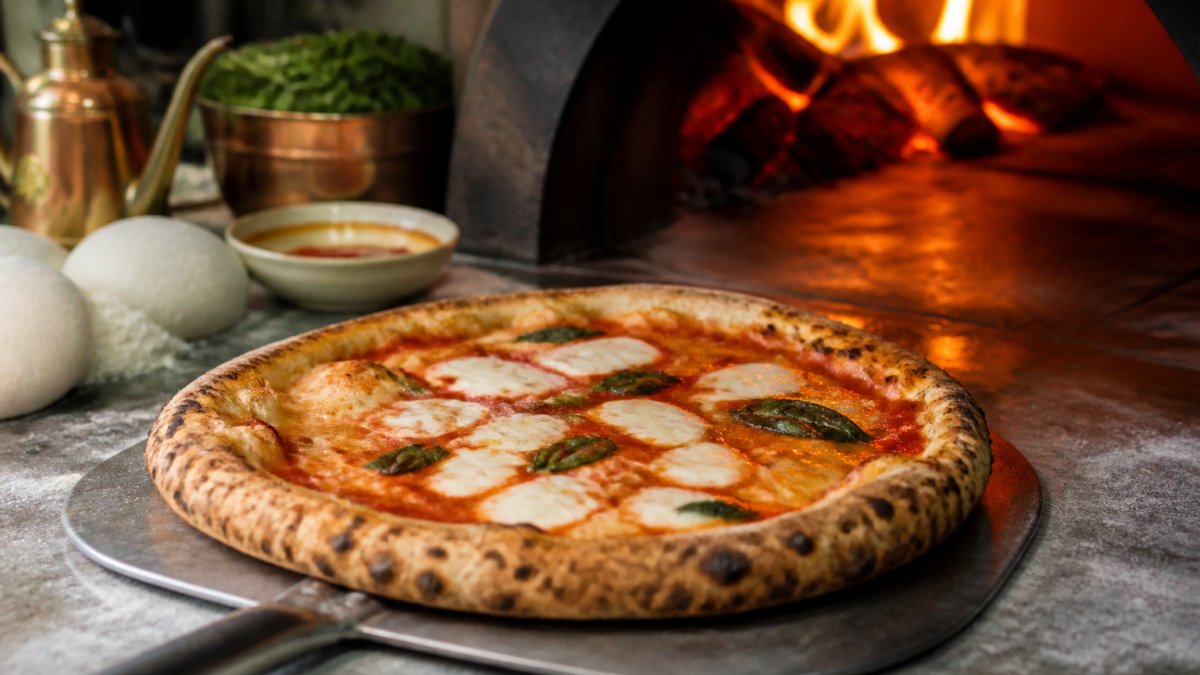
Authentic thin crust is defined less by thickness than by structure: a crisp base that holds its shape under toppings without turning brittle or cracker-like. The cornicione, the raised rim, should show some char and air pockets, not a uniform brown edge.
Sauce, Flour, and Equipment: What Separates Good Pizza from Great
Three things separate a good pie from a great one: the tomatoes in the sauce, the protein content of the flour, and how much thermal mass your baking surface holds. None of these are expensive upgrades, but each one compounds the others.
Flour Protein Content and Gluten Development
Flour protein content determines how much gluten your dough can develop, and gluten is what gives a crust its chew and structure. Bread flour, with its higher protein content, builds a stronger network than all-purpose flour.
USDA grain and flour composition guidance
00, Bread, and All-Purpose Flour: Which One Belongs in Your Dough
This is the question most guides skip, and it is the one that trips up home bakers most often. The three flours behave very differently, and the right choice depends on your oven and your target crust.
- 00 flour is milled very finely, which gives it a silky texture and a dough that stretches beautifully. It is the traditional choice for high-heat wood-fired ovens. In a home oven that tops out around 500-550°F, 00 flour can produce a crust that browns too slowly and stays pale, because it was designed for temperatures home ovens cannot reach.
- Bread flour has higher protein content than all-purpose and is the most forgiving choice for home baking. It builds a strong gluten network, browns reliably at home-oven temperatures, and handles cold fermentation well.
- All-purpose flour sits in the middle. It works, but it produces a less chewy crust and is less tolerant of high hydration. If all-purpose is what you have, keep hydration moderate and expect a slightly softer bite.
Baking Surfaces: Stone, Steel, and Screen
The baking surface matters as much as the oven itself, and the three common options behave differently.
- Pizza stone (cordierite or ceramic): absorbs and radiates heat well, but it is slow to recover between pies and can crack if it heats or cools too fast. It produces a good, even bake once fully preheated.
- Baking steel: a slab of steel, usually a quarter-inch thick, that conducts heat far faster than stone. It transfers heat into the crust almost immediately, which produces faster oven spring and a crisper bottom. The trade-off is weight and cost, and it needs a long preheat, often a full hour, to reach temperature.
- Pizza screen: a perforated metal disc that the dough sits on. It is the most forgiving option and the easiest way to move a wet or fragile dough into the oven, but it insulates the crust from direct contact with the hot surface, so the bottom browns more slowly and less evenly. Screens are a tool for handling difficult doughs, not for maximizing crust quality.
| Element | What to Look For | Why It Matters |
|---|---|---|
| Flour | Bread flour for home ovens; 00 for high heat | Stronger gluten, better browning at home temperatures |
| Tomatoes | San Marzano, low acidity | Sweeter sauce, less cooking needed |
| Mozzarella | Low-moisture for thin crust | Even melt, no soggy center |
| Baking surface | Steel for fastest heat transfer; stone for even radiant heat | Faster oven spring, crisp base |
Troubleshooting Common Home-Baking Failures
Most home-baking failures trace back to one of four causes: wet dough, cold baking surface, weak oven heat, or over-topped pies. Diagnosing which one is causing your problem takes less time than guessing.
- Soggy center: drain fresh mozzarella, reduce sauce volume, preheat your stone longer
- Burnt bottom, raw top: your surface is too hot relative to the air; move the rack up
- Tough, chewy crust: under-fermented dough or too little hydration
- No oven spring: weak gluten development or dough that over-proofed before baking
Frequently Asked Questions
What are the qualities of a good pizza?
A high quality pizza has a crust with a crisp exterior and airy interior, balanced sauce-to-cheese ratio, and fresh ingredients. The dough should show oven spring and leopard spotting from proper fermentation. Sauce should taste like tomatoes, not sugar, and cheese should melt without pooling grease. The overall flavor profile should feel balanced, not dominated by any single component.
What is the 3/8 pizza rule?
The 3/8 rule is a guideline some pizza makers use to describe the ideal ratio of sauce to cheese to crust. It suggests that about three-eighths of the pizza's total composition should be sauce, with the remainder split between cheese and crust structure. The exact ratio varies by style, but the principle is that sauce should be a primary flavor, not an afterthought.
How do fresh, locally sourced ingredients impact pizza flavor?
Fresh ingredients carry more volatile compounds that survive baking. San Marzano tomatoes, for example, have lower acidity and higher natural sweetness than many canned alternatives. Fresh mozzarella has a milky, delicate flavor that melts differently than low-moisture cheese. When you use ingredients closer to their source, you taste the difference in every bite.
What role does fermentation play in high-quality pizza dough?
Fermentation develops flavor and structure. During cold fermentation, yeast produces carbon dioxide and alcohol while enzymes break down starches into sugars. This creates a dough that browns better, tastes more complex, and stretches without tearing. A longer proof time also improves gluten development, giving the crust elasticity and a lighter texture after baking.
Why is the balance of sauce-to-cheese critical for pizza quality?
Too much cheese suffocates the crust and creates a greasy surface. Too much sauce makes the center soggy. The right balance lets each component contribute: sauce for acidity and sweetness, cheese for richness and salt, crust for texture and structure. A well-balanced pizza tastes complete, not like a pile of toppings on bread.
How can you tell if a pizzeria uses high-quality ingredients?
Look at the crust: it should have char marks and air pockets, not a uniform pale surface. The cheese should stretch without separating into oil. The sauce should taste bright, not cooked down to paste. Ask about their flour and fermentation time. A pizzeria that cares about quality will know these details and be happy to share them.