 listicle
Why Local Pizza Tastes Better: The Craft Behind Every Slice
Table of Contents
- The Science of Flavor: Why Local Pizza Tastes Better
- How to Identify High-Quality Pizza Ingredients
- The Difference Between Deck Ovens and Conveyor Ovens
- Dough Fermentation: The Foundation of Great Crust Texture
- Fresh, Locally-Sourced Toppings and Premium Meats
- Pizza Warwick Rhode Island: A Local Dining Tradition
- The Chain Business Model Constraint: Why Standardization Costs Flavor
- Conclusion
- Frequently Asked Questions
Last Updated: September 29, 2026
The Science of Flavor: Why Local Pizza Tastes Better
Walk into any neighborhood pizzeria and the difference hits you before the first bite: the smell of dough hitting a hot stone, the crackle of a blistered crust, the pull of real cheese. That sensory gap is not nostalgia talking. It comes down to how the dough is fermented, how the oven distributes heat, and how fresh the ingredients are when they hit the pie. This guide from Famous Pizza breaks down the culinary craft behind every slice, and explains why the pizza down the street so often beats the one from the chain.
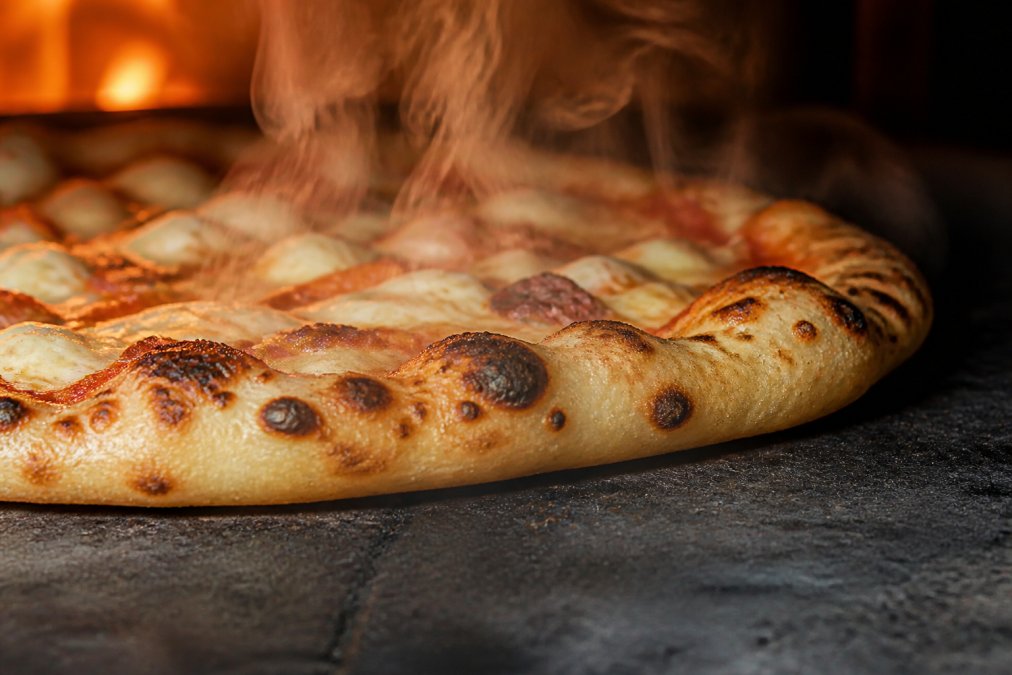
The core difference is fermentation. A slow, cold ferment lets yeast and enzymes develop flavor compounds that a rushed, same-day dough never reaches. That single variable shapes crust texture, aroma, and how the finished slice tastes.
The Maillard Reaction and Crust Development
The Maillard reaction is the chemical process where amino acids and sugars react under high heat, creating the browned color and savory flavor on a pizza crust. It is why a properly baked crust tastes nutty and complex rather than pale and flat.
For that reaction to happen well, you need two things: a hot surface and enough moisture control in the dough. A dough with good hydration and a long ferment browns more evenly because its sugars are already developed. A rushed dough scorches in patches instead.
That is the difference between char and burn. The USDA food science resources on browning reactions explain how heat and moisture drive these flavor changes. Local shops that ferment their dough for a day or more give the Maillard reaction the raw material it needs.
How to Identify High-Quality Pizza Ingredients
High-quality pizza ingredients show up in texture and taste, not marketing. But "fresh" is a vague word, so it helps to break the experience into what your senses actually register, because flavor is not one thing. It is aroma, texture, and mouthfeel working together, and each one points back to how the ingredient was sourced and handled.
Sensory Analysis: Reading a Slice Beyond Taste
Most of what you call "taste" is aroma. Volatile compounds released by a hot pie travel up the back of your throat and register as flavor before your tongue does much work. That is why a pie smells incredible in the shop and tastes flatter once it cools, the aromatic compounds have dispersed.
Three sensory channels matter on a pizza:
- Aroma: Tomato, toasted wheat, browned cheese, and cured meat all release distinct volatiles. A dull, one-note smell usually means ingredients were refrigerated too long or processed into uniformity.
- Texture: The chew of the crust, the resistance of the cheese, the snap of a pepper. Texture is where fresh produce and properly fermented dough separate from frozen and pre-portioned inputs.
- Mouthfeel: The coating your tongue gets from fat and moisture. Good cheese and rendered meat fat feel rich but clean; processed blends leave a waxy film.
A useful test: eat a bite with your nose pinched, then release it. If the flavor barely changes, the pie is leaning on salt and sugar rather than real aromatic development.
Reading the Crust, Cheese, and Sauce
Start with the crust. A well-fermented dough has small, irregular air pockets and a slight chew. If it collapses under the toppings, the hydration or bake was off. Uniform, tiny bubbles throughout often signal a dough that was machine-sheeted and fast-risen.
Next, the cheese. Real mozzarella and parmesan carry umami and a clean, milky finish. Cheese blends engineered for stretch and shelf life taste flat by comparison because their fat and moisture are standardized for machine handling, not flavor.
Finally, the sauce. A simple crushed-tomato sauce with olive oil and salt lets fresh produce speak. Heavy sugar and thickeners mask poor tomatoes, and sugar is often added to compensate for fruit picked early and ripened in transit rather than on the vine.
Supply Chain Transparency: Industrial Distribution vs. Farm-to-Table
The ingredient checklist only makes sense once you understand where the food came from. There are two basic supply chains behind a pizza, and they produce measurably different results.
Industrial distribution moves ingredients through regional warehouses and broadline foodservice distributors. Product is formulated for shelf life, freeze-thaw stability, and consistent yield.
The Difference Between Deck Ovens and Conveyor Ovens
The difference between deck ovens and conveyor ovens comes down to how heat reaches the dough. A deck oven bakes a pie directly on a hot stone floor, transferring heat by conduction from below and radiant heat from the chamber above. A conveyor oven moves the pizza through on a belt while forced air circulates around it. Both cook a pizza. They do not develop flavor the same way.
Heat Transfer: Conduction, Radiation, and Forced Air
Conduction is the fast, direct transfer of heat from the stone into the base of the dough. That contact drives rapid moisture loss at the bottom and sets the crust before the interior dries out. Radiant heat from the oven ceiling browns the top and melts the cheese. Together they create the contrast, crisp base, tender interior, that defines a great local pie.
Why Heat Distribution Drives the Maillard Reaction
The browning on a crust is the Maillard reaction, amino acids and reducing sugars reacting under high heat to create browned color and savory, nutty flavor. It needs two conditions: enough heat at the surface, and enough residual moisture in the dough to keep the reaction going without burning.
The Consistency Trade-Off
Conveyor ovens prioritize consistency and speed. They are built for volume, not craft. The trade-off is real: you get the same pie every time, but that pie rarely reaches the flavor ceiling of a stone-baked one. Standardization is the goal, and standardization inherently flattens the peaks, including the good ones.
| Oven Type | Heat Source | Best For | Flavor Trade-Off |
|---|---|---|---|
| Deck / stone | Direct stone floor | Artisanal crust, char | Needs skilled timing |
| Wood-fired | Live fire | High heat, smoky notes | Hard to control |
| Conveyor | Forced air, belt | High volume, speed | Less crust development |
Dough Fermentation: The Foundation of Great Crust Texture
Dough fermentation is the rest period that lets yeast produce gas and enzymes break down starches into sugars. That process builds flavor, improves crust texture, and makes dough easier to stretch without tearing.
Fresh, Locally-Sourced Toppings and Premium Meats
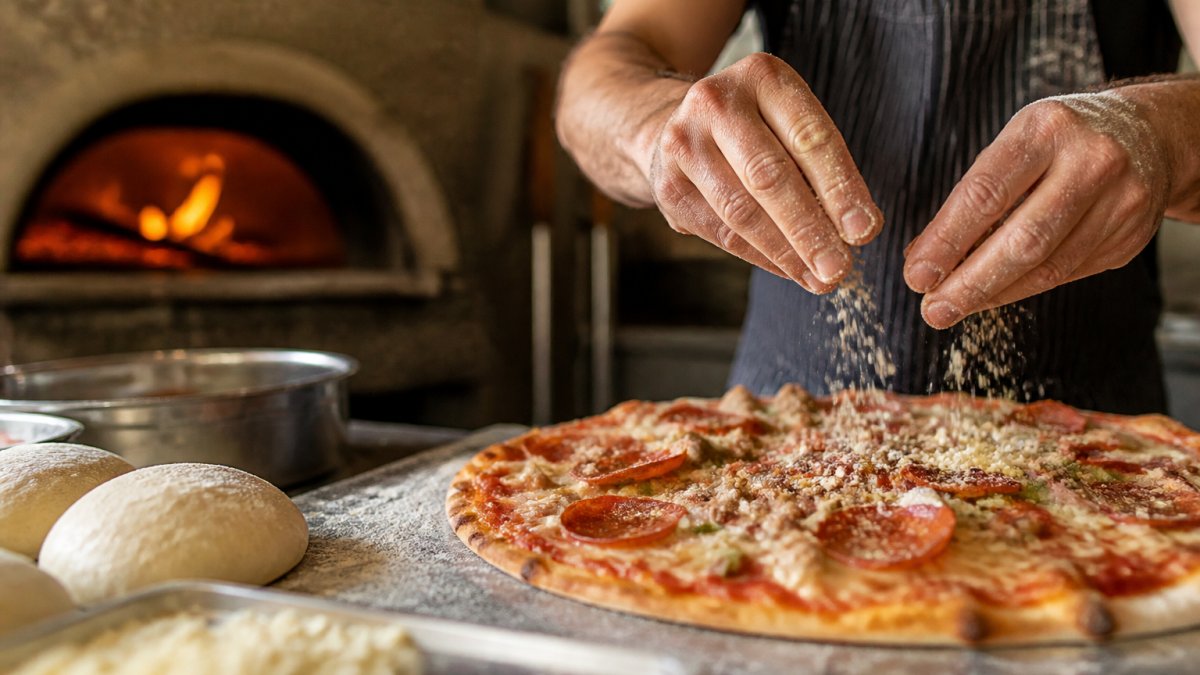
Locally-sourced toppings change the finished pie. Produce picked close to home arrives riper, so it carries more sugar and aroma. Premium meats like good pepperoni and sausage render fat that seasons the whole slice instead of turning greasy and dull.
Pizza Warwick Rhode Island: A Local Dining Tradition
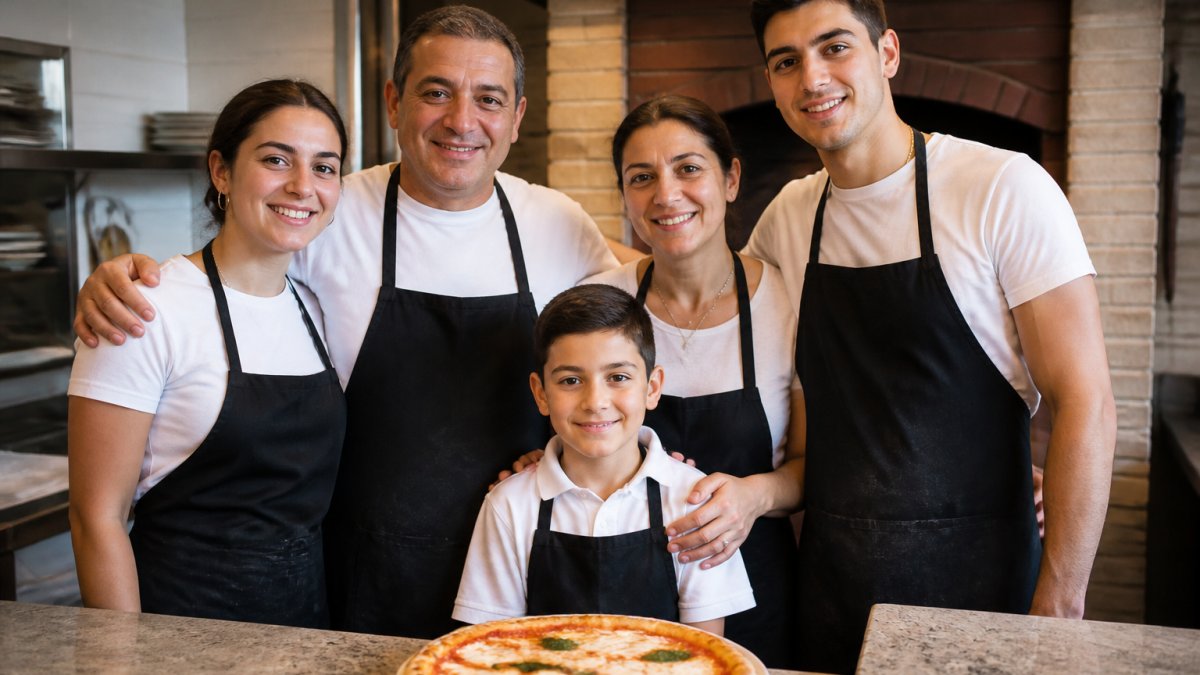
Pizza Warwick Rhode Island has built a reputation on family-run shops that treat a pie as a craft, not a product. These kitchens ferment their own dough, source regionally, and bake on stone, which is why the local style tastes distinct from anything a national chain turns out.
The Chain Business Model Constraint: Why Standardization Costs Flavor
Standardization is the chain model's biggest strength and its biggest limit. To serve identical pizza across hundreds of locations, chains rely on frozen or pre-portioned dough, processed cheese blends, and conveyor ovens. Every one of those choices trades flavor for consistency.
Conclusion
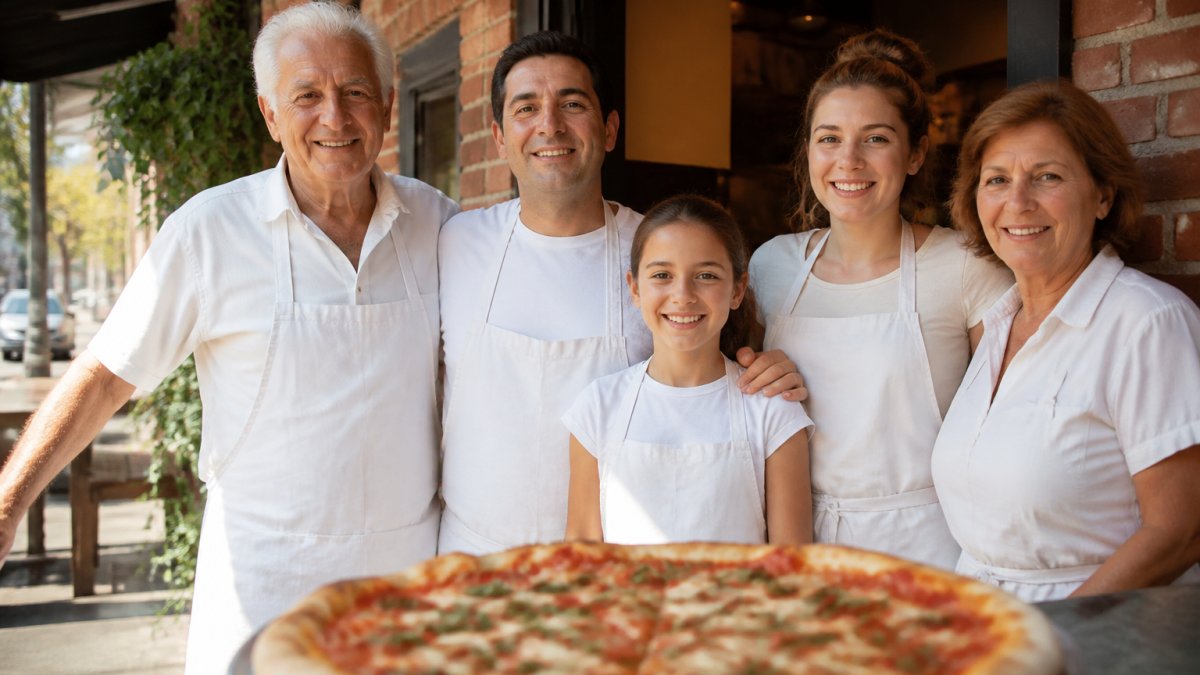
The gap between a great local pie and a mass-produced one is not marketing. It is fermentation time, oven heat, and fresh ingredients, all working together. That is the craft behind every slice, and it is why the pizza down the street so often wins. Famous Pizza has spent more than 20 years perfecting that craft as a family-owned neighborhood kitchen, with a warm and welcoming dining environment, a rewards program for customer savings, and pies built on quality ingredients.
Frequently Asked Questions
What makes local pizza dough different from chain restaurant dough?
Local pizza shops typically make dough fresh daily and allow it to ferment for 24 to 72 hours. This slow fermentation develops flavor complexity and a lighter, more digestible crust texture. Chain restaurants often use pre-made or frozen dough that is standardized for consistency across hundreds of locations. The difference shows up in the crust's aroma, chew, and how it browns in the oven.
How does the oven type affect the taste of local pizza?
Deck ovens and wood-fired ovens reach higher temperatures than conveyor ovens, often 700 to 900 degrees Fahrenheit. This intense heat creates the Maillard reaction quickly, producing char, crispness, and a chewy interior before the toppings dry out. Conveyor ovens bake at lower temperatures for consistency, which can leave crust softer and less developed. The oven choice directly shapes crust texture and flavor profile.
Why do independent pizza shops often use higher quality ingredients?
Independent shops buy in smaller quantities, so they can source fresh produce, premium meats, and real cheese from local suppliers without the volume constraints of a national chain. They also have fewer layers of management, so owners can prioritize ingredient quality over cost-per-unit standardization. This often means whole-milk mozzarella instead of processed blends and toppings that are prepared in-house rather than pre-packaged.
What is the impact of family-owned recipes on pizza flavor?
Family-owned pizzerias often pass down sauce recipes, dough techniques, and topping combinations through generations. These recipes are not designed for mass production, so they retain regional character and culinary craft. A sauce might be cooked in small batches with specific herbs, or the dough might use a particular hydration level. That attention to detail creates a flavor profile you cannot replicate with a corporate formula.