 blog
How to Find Alternatives to Tourist Trap Restaurants
Quick Summary
Tourist trap restaurants are eateries whose prices, menus or locations depend on visitors who will not return, and they are easy to spot by laminated photo menus, aggressive street hawkers and tour buses out front. To find real local dining in Massachusetts, walk two or three blocks off the main attraction, read recent reviews from local residents, and try neighborhoods such as Chinatown, East Boston or Dorchester.
- Warning signs include laminated menus with photos, a host waving people in, and very broad cuisine lists.
- Walk two or three blocks off the attraction and look for menus without photos.
- Ask hotel staff or local shops where they eat on their day off.
- Consider Chinatown, East Boston, Allston-Brighton, Dorchester and Jamaica Plain, and Somerville instead of the Boston tourist core.
- Check posted hours and a recent review before going, since many neighborhood kitchens keep limited hours.
Table of Contents
- What Makes a Restaurant a Tourist Trap
- How to Avoid Tourist Trap Restaurants on Your Next Trip
- Non-Touristy Restaurants in Boston Worth the Trip
- Family-Friendly Local Restaurants in Massachusetts
- Hole-in-the-Wall and Off-the-Beaten-Path Finds
- Alternatives Organized by Travel Route
- Dietary Needs and Menu Accessibility at Local Spots
- Planning Your Next Local Dinner Out
- Frequently Asked Questions
What Makes a Restaurant a Tourist Trap
Last Updated: November 2, 2026
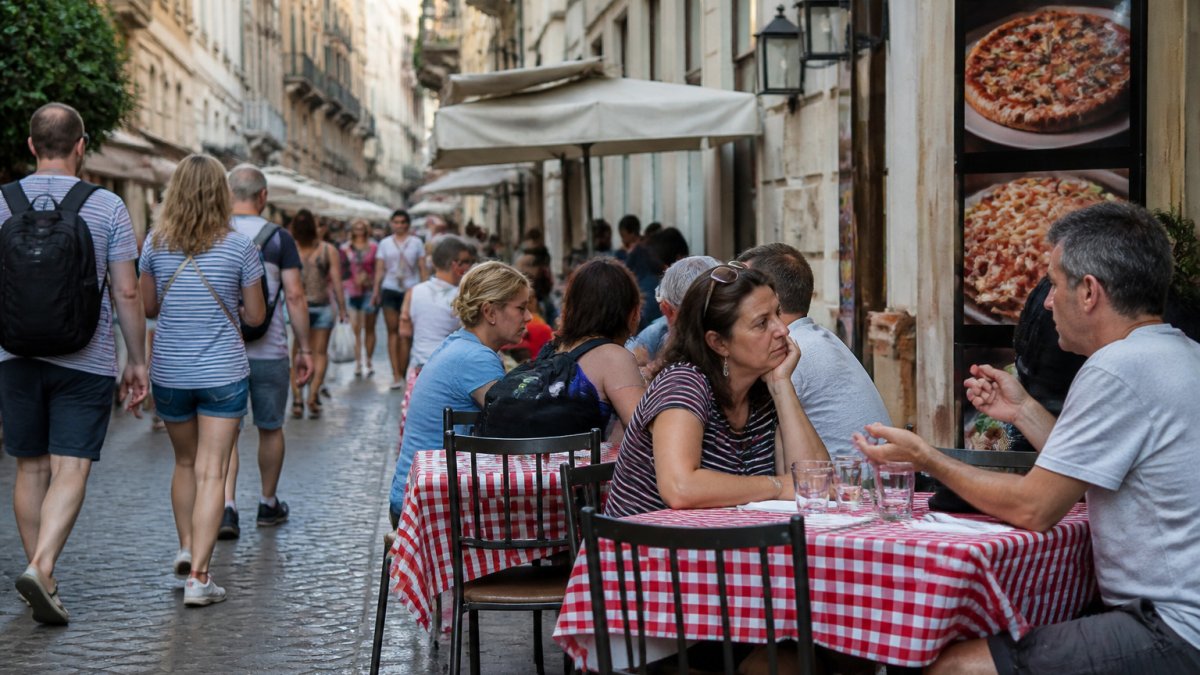
Tourist trap restaurants are easy to spot once you know the signs. They tend to sit close to the most visited waterfronts and historic sites, they often rely on big signs and street hawkers, and they may serve food built for a single visit rather than a regular crowd.
Several warning signs show up again and again. Look for laminated menus with photos of every dish, a host standing outside to wave people in, and a menu that stretches across cuisines from seafood to Mexican to Italian.
A useful test is to ask whether the restaurant would survive without the tourists. Places that depend on one-time visitors tend to focus on speed and volume over consistency. Neighborhood spots depend on repeat customers, so they usually put more care into every plate.
How to Avoid Tourist Trap Restaurants on Your Next Trip
Avoiding tourist traps starts before you leave home. Read recent reviews from local residents rather than the top-rated listings that appear first in search. Pay attention to comments about the same dishes ordering repeatedly, because that suggests a kitchen with a steady rhythm.
Walk a few blocks away from the main attraction before you choose a place to eat. Restaurants on quieter side streets often have lower overhead and stronger local followings. Ask the staff at your hotel or a local shop where they eat on their day off. The answer is often more useful than any travel guide.
Watch out: a restaurant with a long line is not always a good sign. Some lines form because the place is famous for a single visit, not because the food is consistently strong.
Non-Touristy Restaurants in Boston Worth the Trip
Boston's tourist corridors, Faneuil Hall, the Freedom Trail stretch through the North End, and the waterfront near the New England Aquarium, concentrate the highest-markup, lowest-local-patronage dining in the state.
Neighborhoods to target instead of the tourist core:
- Chinatown (between Downtown Crossing and the Theater District): small, family-run spots with short menus and cash-friendly pricing. Look for roast meats hanging in the window and hand-pulled noodle shops, both signal high turnover and repeat local business.
- East Boston (Maverick and Day Square): a strong concentration of Salvadoran, Colombian, and Italian-American kitchens. The walk from the Maverick Blue Line stop puts you in a residential grid where prices are noticeably lower than downtown.
- Allston-Brighton: student-driven, so value is built into the business model. Korean, Chinese, and casual pub food dominate, and portions are sized for repeat customers rather than one-time visitors.
- Dorchester and Jamaica Plain (Centre Street corridor): Vietnamese, Caribbean, and neighborhood pubs with long-tenured ownership. Many have been in the same family for decades, which is the strongest possible signal that they do not depend on tourists.
- Somerville (Union Square and Davis Square): a dense cluster of independent restaurants where the local customer base is the primary revenue source.
What to order: Ask for the house specialty rather than the top-priced item. At neighborhood Italian-American spots, that is often a simple shrimp scampi, a chicken parm, or a pizza made the same way for years.
Value check: A neighborhood dinner in these areas typically runs well below the per-person tabs on the waterfront and around Faneuil Hall, where location rent is baked into every plate. If a menu near an attraction prices a basic pasta or a fried seafood plate at a premium, that is your cue to keep walking.
The table below lists the neighborhoods the article recommends instead of the tourist core, along with what each one is known for.
| Neighborhood | Where to look | What it's known for |
|---|---|---|
| Chinatown | Between Downtown Crossing and the Theater District | Small family-run spots, short menus, cash-friendly pricing |
| East Boston | Maverick and Day Square | Salvadoran, Colombian and Italian-American kitchens |
| Allston-Brighton | Student-driven area | Korean, Chinese and casual pub food |
| Dorchester and Jamaica Plain | Centre Street corridor | Vietnamese, Caribbean and long-tenured neighborhood pubs |
| Somerville | Union Square and Davis Square | Dense cluster of independent restaurants |
Family-Friendly Local Restaurants in Massachusetts
Families traveling with children need restaurants that are quick, welcoming and affordable. Neighborhood pizza places and casual Italian restaurants work especially well because they serve a crowd of different ages without fuss. Look for booths, a simple kids' menu and staff who greet children by name when they return.
Famous Pizza serves families in West Warwick, Braintree and Buzzards Bay, and our rewards program gives regular customers a way to save over time. For a broader list of kid-friendly options, see Where to Eat in Buzzards Bay with Kids: 7 Family-Friendly Spots.
Hole-in-the-Wall and Off-the-Beaten-Path Finds
Hole-in-the-wall restaurants are small, unassuming and often cash-friendly. Their charm comes from consistency rather than decor. A good hole-in-the-wall usually has a short menu, fast service and a few regulars who arrive before the doors open.
Off-the-beaten-path finds reward curiosity. A detour of ten or fifteen minutes from a major highway can lead to a diner, a bakery or a bistro that most visitors never see. Keep a notebook of names recommended by locals and check them against recent reviews before you go.
Alternatives Organized by Travel Route
Most guides list restaurants by city, which forces you to reverse-engineer a trip plan. This section flips that: it organizes alternatives by the driving routes visitors actually take, so you can pick a non-tourist meal that fits the direction you are already heading. The principle is simple, eat one exit away from the attraction, not at it.
Route 1: Boston to Cape Cod (via Route 3 and Route 6)
The tourist-trap cluster on this route sits at the canal and along the busiest waterfront strips in Falmouth, Hyannis, and Provincetown. Instead:
- Stop for lunch in Plymouth a few blocks inland from the waterfront rather than on the harbor itself, the side streets off Court Street have smaller, locally owned kitchens with shorter waits.
- In Sandwich, eat before the bridge rather than after it; the village center has casual spots that serve the year-round population.
- On the Cape, choose a neighborhood pizza or seafood shack one town inland from the waterfront. The further you are from the dock, the more the pricing reflects local demand rather than visitor demand.
Route 2: Boston to the Berkshires (via the Mass Pike, I-90)
- Worcester is the natural lunch stop and has a deep independent restaurant scene away from the DCU Center and the downtown arena district.
- Northampton and Amherst in the Pioneer Valley are college towns, which means value-priced, independently owned food is the norm rather than the exception.
- In the Berkshires, look in the village centers of Great Barrington and Lenox off the main commercial strip; the resort-corridor restaurants carry the highest markups.
Route 3: Boston to the North Shore (via Route 1 and Route 1A)
- Skip the fried-seafood strip directly on the Salem and Gloucester waterfronts and eat a few blocks inland, where the year-round population supports the kitchens.
- Newburyport and Ipswich have compact downtowns where independent restaurants outnumber chains.
Route 4: Boston to Rhode Island and the South Coast (via I-95 and Route 24)
- Providence (Federal Hill for Italian, the East Side for everything else) is a strong alternative to the tourist-heavy Newport waterfront.
- On the South Coast, New Bedford and Fall River have long-established Portuguese and Azorean kitchens that serve local families first.
How to verify a stop before you commit: Check the restaurant's own website for current hours and menu, scan recent reviews for comments from repeat local customers, and confirm parking, many neighborhood spots have small lots or street-only parking, which is itself a sign of local rather than tour-bus traffic.
Dietary Needs and Menu Accessibility at Local Spots
Visitors with dietary needs should contact a restaurant before arriving. Ask whether the kitchen can accommodate gluten-free, dairy-free or vegetarian requests, and whether staff can explain how dishes are prepared. Many neighborhood kitchens will adjust a plate when asked directly, though policies vary.
Check the menu on the restaurant's own website before you visit. Clear menus that list ingredients usually signal a kitchen that takes allergies seriously. The U.S. Food and Drug Administration publishes guidance on food allergens that can help you ask the right questions (the FDA).
Planning Your Next Local Dinner Out
Start with the neighborhood, then pick a cuisine, then choose a specific place. This order keeps your search focused and reduces the chance of landing in a tourist trap by accident. Check hours, since many local spots close early or on certain weekdays.
If you want outdoor seating in Massachusetts this season, see Outdoor Dining in Massachusetts: 2026 Guide for options and what to expect. For a side-by-side look at two local options, read Highland Grill vs Buzzards Bay House: Which Wins?. Families searching for budget-friendly meals can also check Cheap Eats in West Warwick for Families. Before you go, review the full Menu to see what is available and plan your order.
Frequently Asked Questions
How can you tell if a restaurant is a tourist trap?
Look for a menu with photos, a location right next to a major attraction, staff who push you toward a specific table, and prices noticeably higher than similar places a few blocks away. Independent spots that rely on repeat neighborhood customers usually have handwritten specials, a menu that changes with the season, and a crowd that includes locals. Checking recent reviews for phrases like overpriced or rushed service can also confirm your suspicions before you sit down.
Where do locals eat in Massachusetts?
Locals tend to eat at family-owned pizza shops, neighborhood Italian and Portuguese restaurants, seafood spots, and casual diners rather than chains or waterfront establishments. Many of these places have been operating for decades and are known by word of mouth in their towns. Asking a hotel clerk, a shop owner, or a local coworker where they eat on a weeknight is one of the most reliable ways to find them.
How can you avoid overpriced restaurants when traveling?
Check the menu posted outside before you enter and compare a few entree prices against nearby options. Stepping one or two blocks away from the main attraction often lowers costs considerably. Pricing varies by restaurant, menu, and location, so review current menus online or call ahead to confirm before you go.
What should you look for in a locally owned restaurant?
Look for signs of ownership involvement, such as a family name on the sign, an owner who greets guests, and a menu that reflects regional cooking rather than a corporate template. Local restaurants often carry a short list of signature dishes, have a consistent core of regular customers, and are willing to explain what they make in house. Visiting during a slower weekday lunch can also give you a better sense of the service and food quality.
Choosing a neighborhood restaurant over a tourist trap is one of the simplest ways to get better food at a fair price. Famous Pizza is a family-owned business with over 20 years of experience, and we treat every guest like family. Order online today and join our rewards program to start saving on your next family meal.