 listicle
Benefits of Family Owned Pizzerias: Why Local Matters
Last Updated: September 25, 2026
What Makes a Restaurant Family Owned and Why It Matters
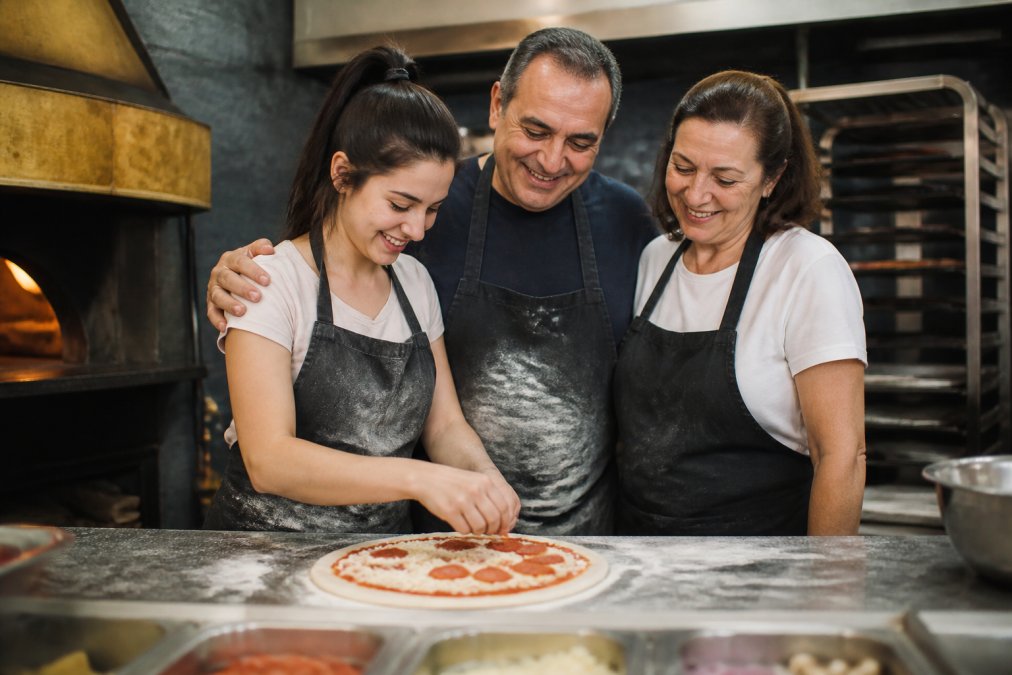
A family owned pizzeria is a restaurant where owners live in the community they serve, often working the counter themselves and passing recipes down through generations.
- Ownership stays local. Profits reinvest in the neighborhood.
- Decisions get made fast. A family owner can fix a problem the same day.
- Accountability has a face. The person who made your pizza often greets you.
The Benefits of Eating at Local Pizzerias
The benefits of eating at local pizzerias come down to better ingredients, food made to order, and service that remembers you.
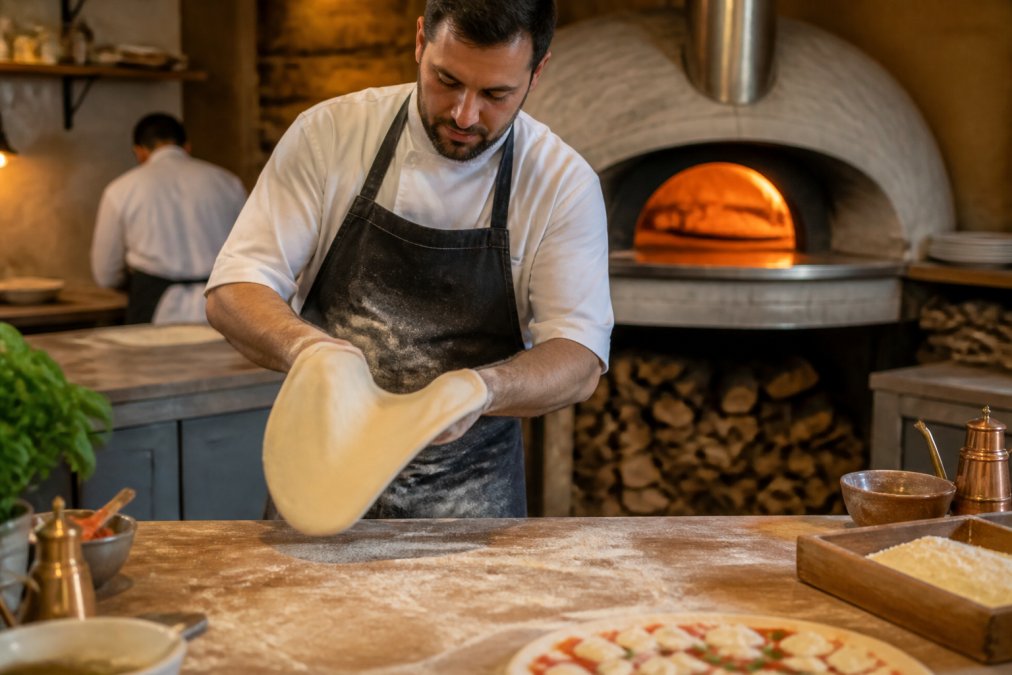
- Fresh ingredients sourced seasonally, not from a national spec sheet
- Traditional methods, from hand-stretched dough to slow-simmered sauce
- Menu innovation driven by customers, not a corporate calendar
- Personalized service from staff who recognize regulars
Supporting Local Small Businesses Strengthens Your Community
Supporting local small businesses keeps money circulating inside the neighborhood, funds local jobs, and preserves gathering places big chains rarely build.
| What You Support | How It Works | Why It Matters |
|---|---|---|
| Local economy | Owners spend and hire nearby | Economic multiplier stays in town |
| Community engagement | Shops sponsor teams and events | Stronger neighborhood ties |
| Sustainability | Local sourcing cuts transport | Lower environmental footprint |
What makes a restaurant family owned?
A restaurant is family owned when the business is owned and operated by a family rather than a franchise corporation or investment group.
Do family owned pizzerias cost more?
Pricing varies by shop, menu, and portion size, and many family owned pizzerias price competitively with chains once you account for ingredient quality. Check each restaurant's current menu for exact pricing.
Why does succession planning matter for local restaurants?
Succession planning determines whether a family business survives its founders. Without a plan for transferring ownership, recipes, supplier relationships, and customer trust can disappear when the original owner steps back.